ARTICLES
Guides and insights
Plain-English articles on buying, selling and the law of property in Victoria.

First home buyer stamp duty in Victoria: what you'll save
First home buyers in Victoria can pay zero stamp duty up to $600,000 and a reduced rate up to $750,000. Here's how the exemption and concession work, and who qualifies.

Restrictive covenants on your title: what they mean
A restrictive covenant can stop you building a second dwelling, choosing your own materials, or even the colour of your roof. Here's how to spot one before you buy in Victoria.

Easements on your property title: a Victorian buyer's guide
An easement gives someone else a right over part of your land. Here's how to spot one before you buy, what it means for building plans, and when it can be removed.

Selling your home? What your lawyer handles for you
Selling property in Victoria involves more legal work than most people expect. Here's what your lawyer actually does, from preparing the Section 32 through to settlement.
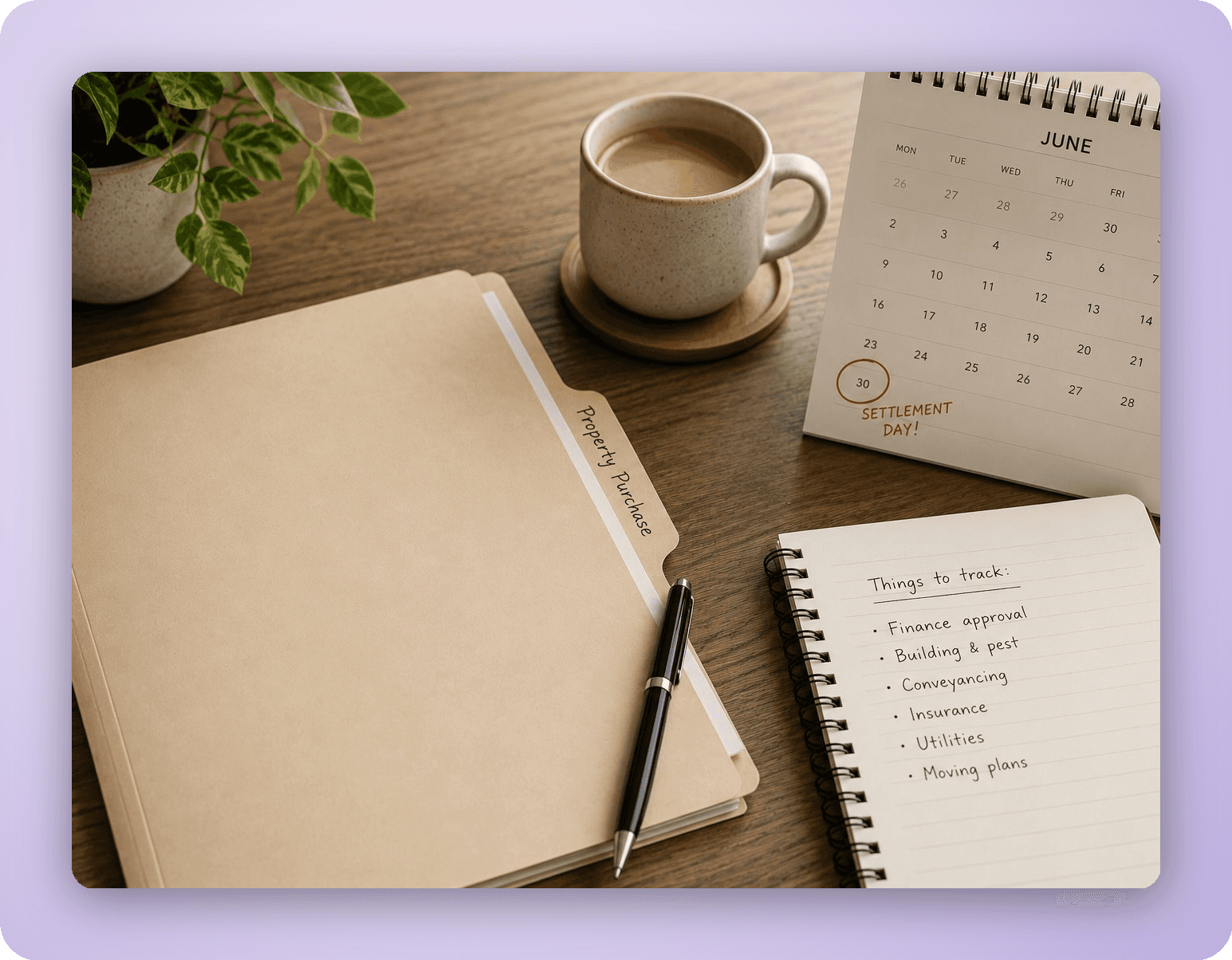
What happens between contract and settlement in Victoria
The weeks between signing a contract and settlement day are when most of the legal work actually happens. Here's a walk-through of who does what, and when.
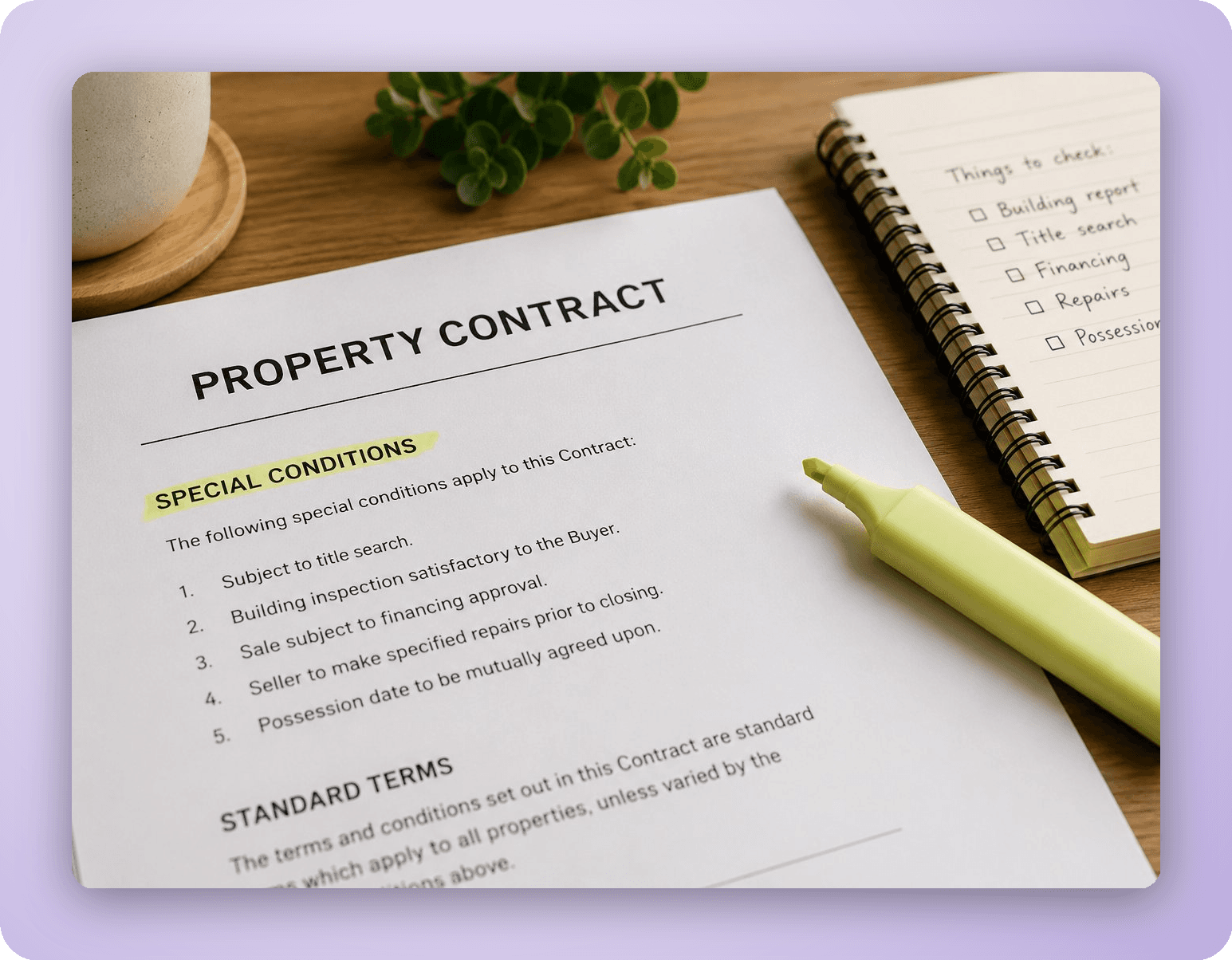
Special conditions in a contract of sale: a Victorian buyer's guide
Special conditions are the clauses that change a standard contract into something property-specific. Here's what they do, the most common types, and what to watch for.

Settlement day in Victoria: what actually happens
Settlement day is the moment a property officially becomes yours. Here's a plain-English walkthrough of what happens, who does what, and how to prepare.
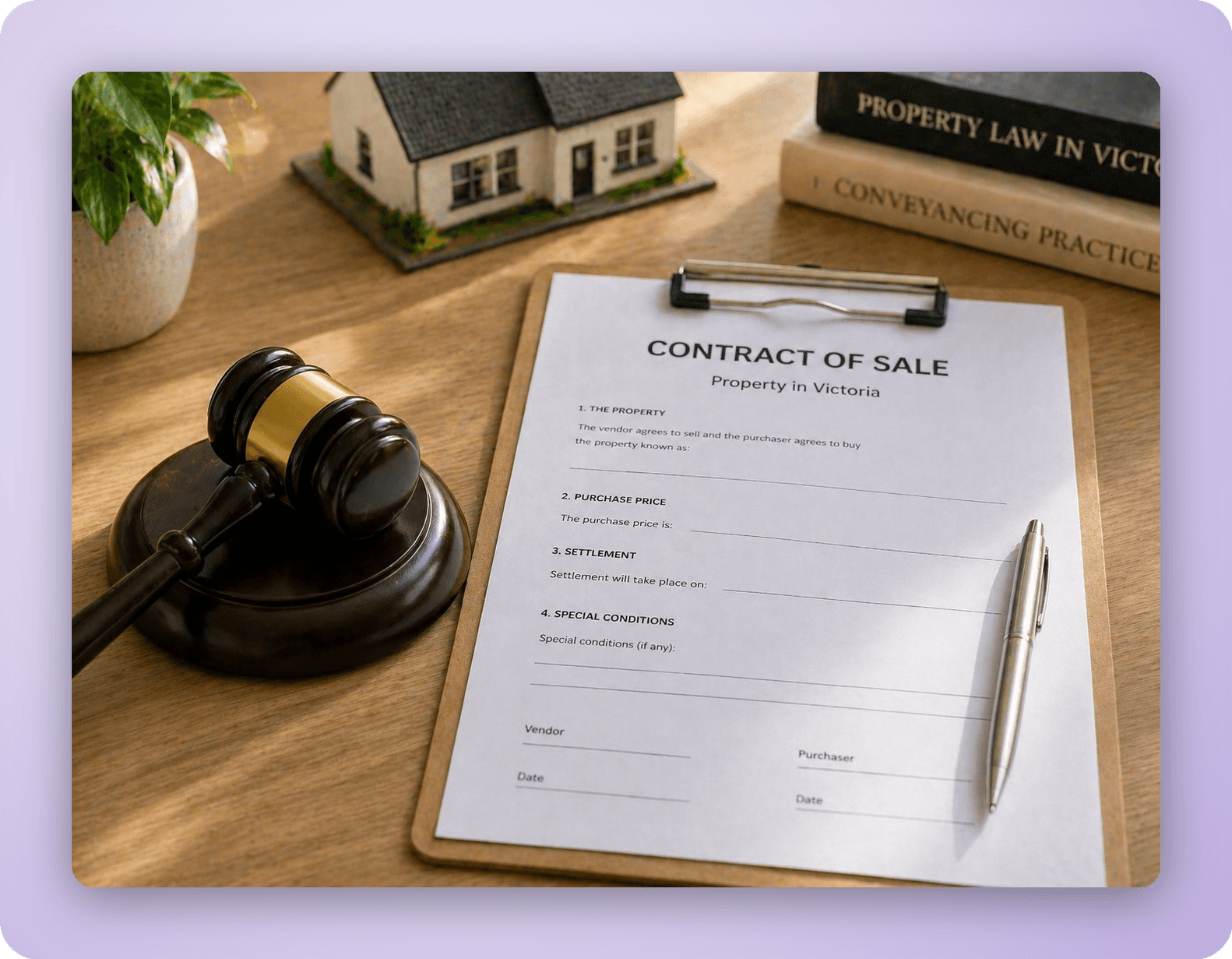
Buying at auction vs private sale in Victoria: what's different legally?
Auctions and private sales feel similar but the legal mechanics are very different. Here's what changes for cooling-off, conditions, deposits and risk.

What does a conveyancer actually do? A Victorian buyer's guide
Wondering what a conveyancer actually does, and whether you need one or a lawyer? Here's a plain-English guide to the work, the scope, and the key difference in Victoria.
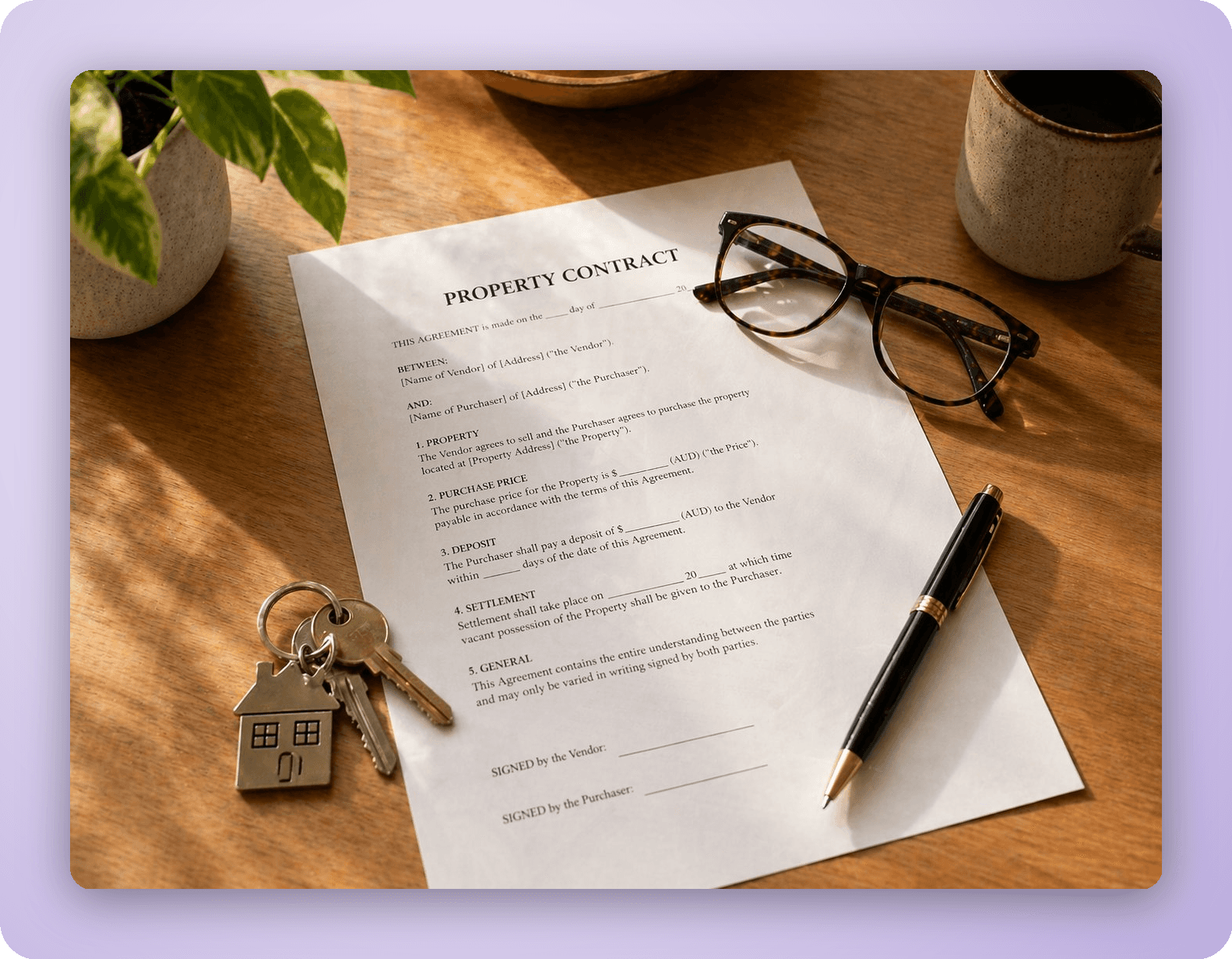
What's in a contract of sale? 10 things every Victorian buyer should check
The contract of sale is the legal document that binds you to the purchase. Here are the ten things every Victorian buyer should check before signing.

First home buyer checklist: your complete Victorian guide
Buying your first home in Victoria? Here's the step-by-step legal and financial checklist every first home buyer needs, from grants and stamp duty to settlement
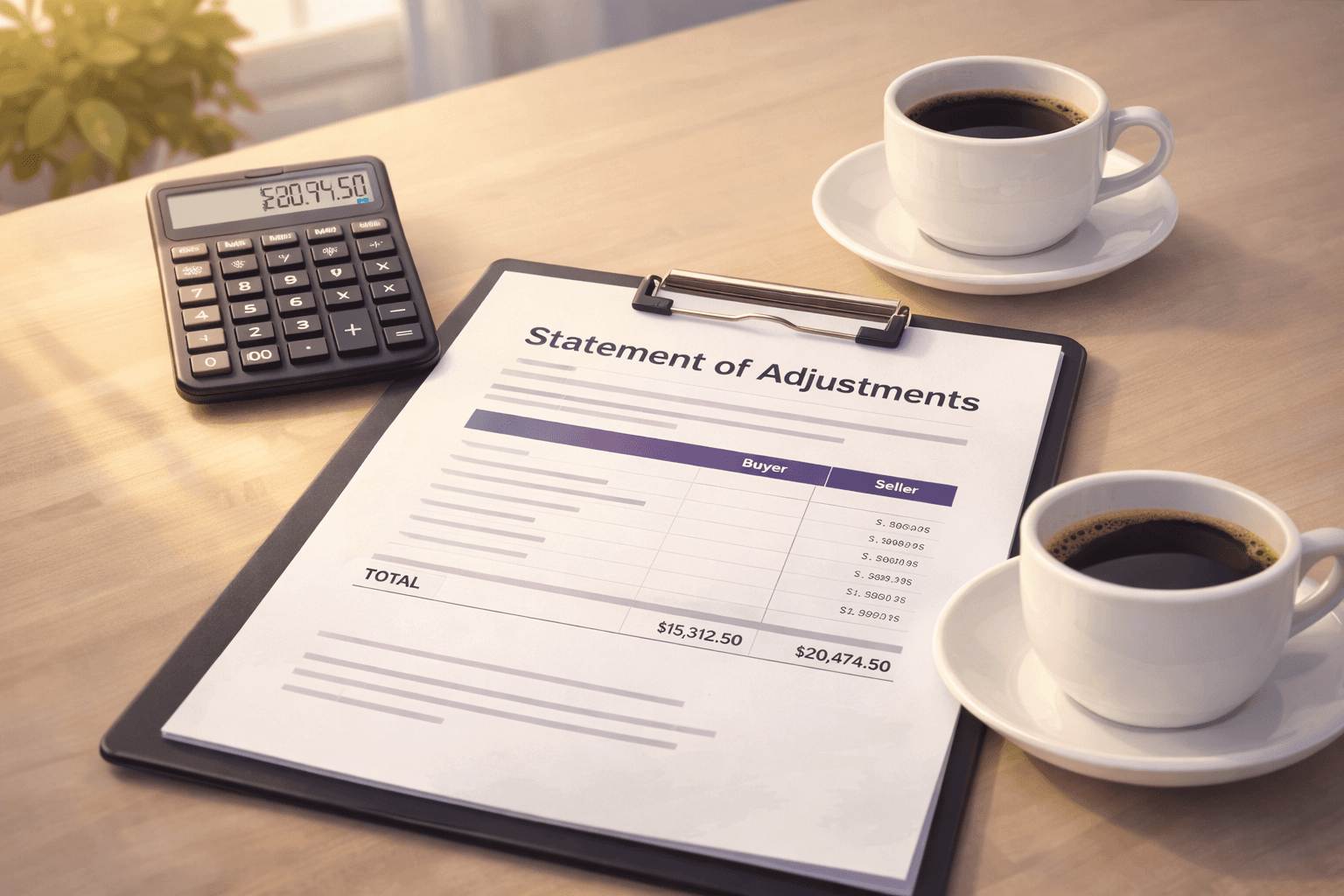
Statement of Adjustments: who pays what at settlement
Before settlement, your lawyer will prepare a statement of adjustments splitting costs between the buyer and the seller. Here's how it works and what gets adjusted.

Sold! A vendor's guide to what happens after signing
You've signed the contract – now what? A practical FAQ for Victorian vendors covering everything from deposit release to moving out and settlement day.

You've signed the Contract – what happens next for buyers
Signed a contract to buy property in Victoria? Here's a practical guide to what your lawyer is doing behind the scenes and what you need to do before settlement
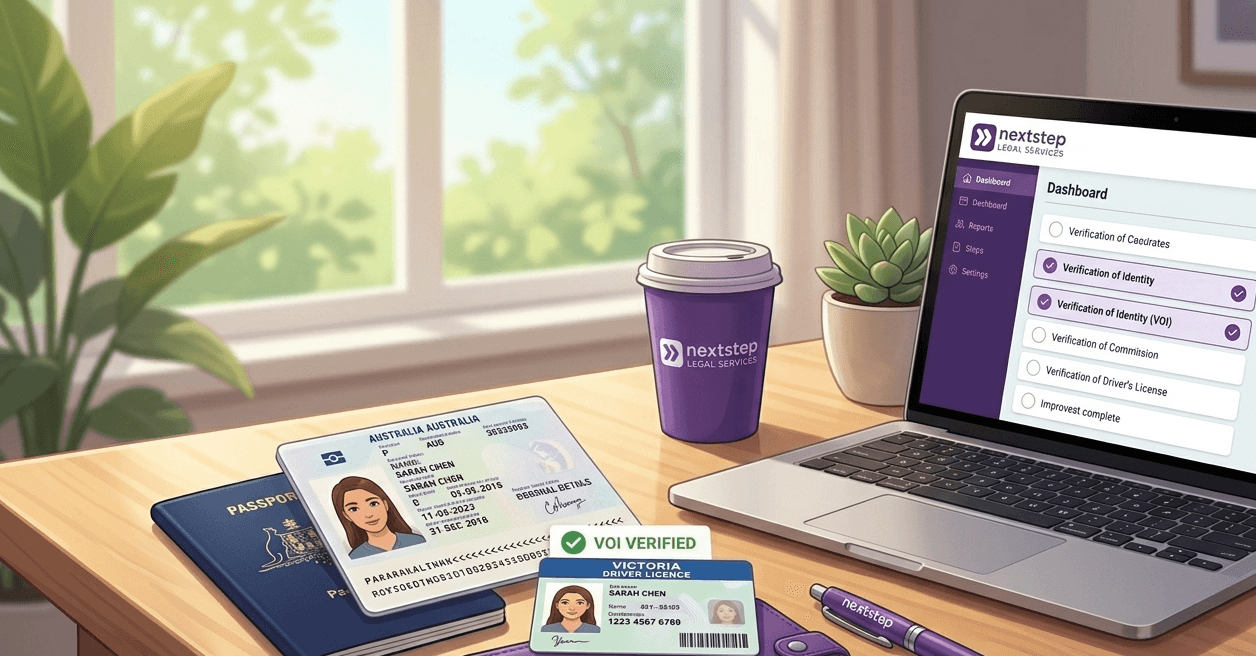
Why your lawyer needs to verify your identity before settlement
Your lawyer will ask you to prove who you are before settlement. It's called a VOI, it's a legal requirement, and here's why it exists.

Buying a tenanted property? Vacant possession vs tenancy explained
Thinking about buying a property with tenants? Here's what vacant possession and subject to tenancy actually mean, and why it matters before you sign.
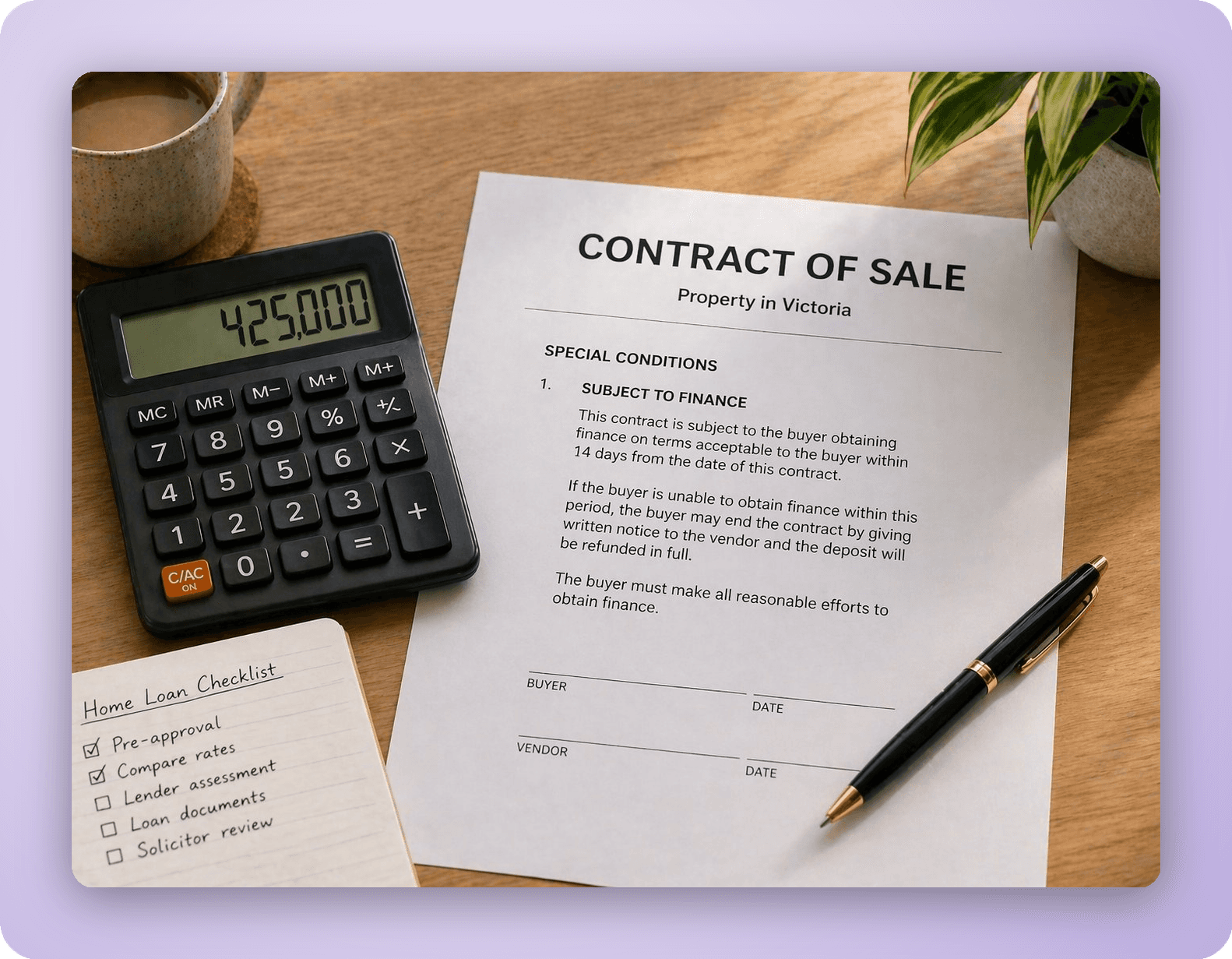
Subject to finance: how this clause protects buyers
The subject to finance clause is your safety net if the bank says no, but only if you follow the rules. Here's how it works in Victoria.
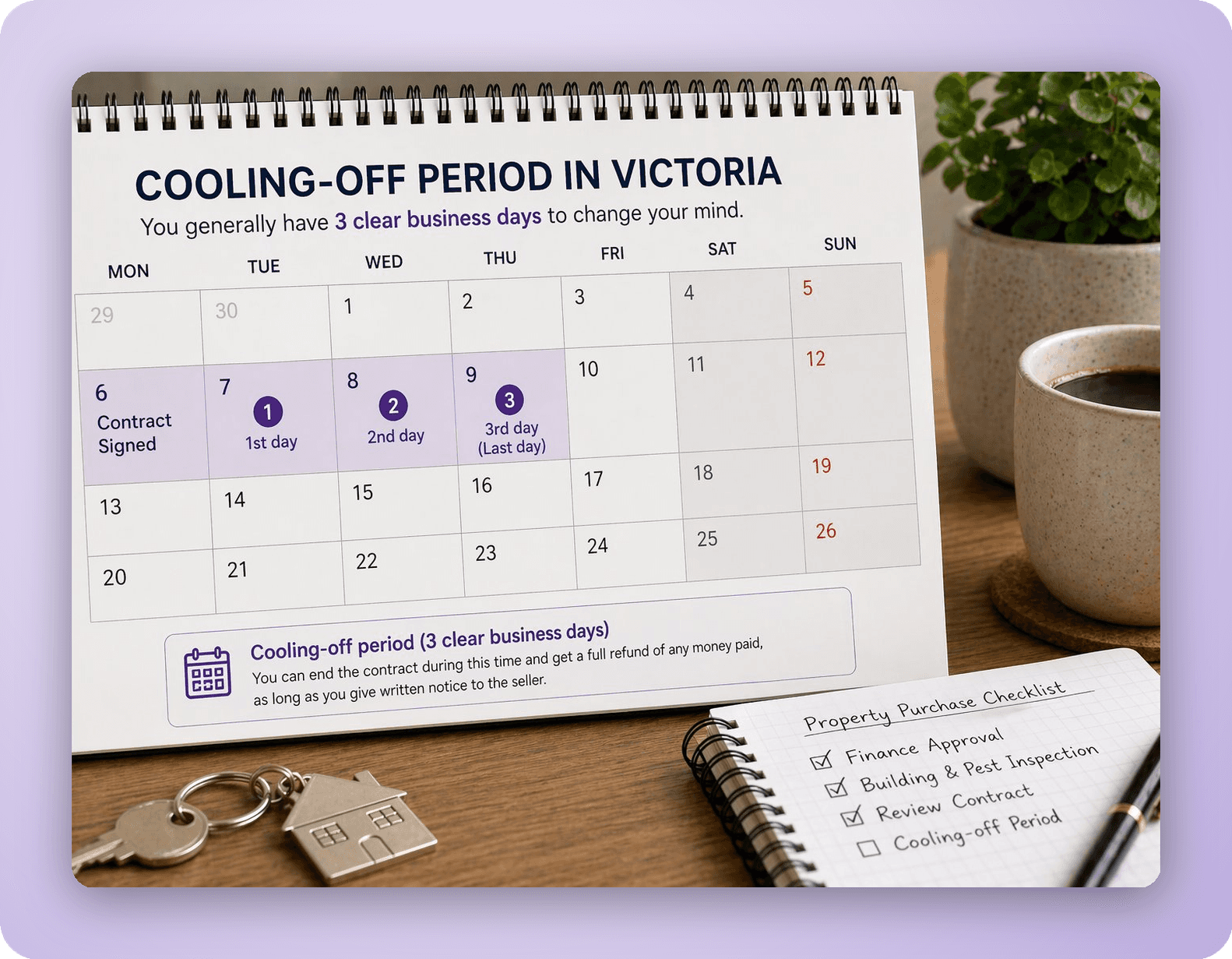
Cooling-off period in Victoria: your rights explained
You've signed the contract – now what? Here's how the cooling-off period works in Victoria, when it doesn't apply, and what you should be doing with those three days.
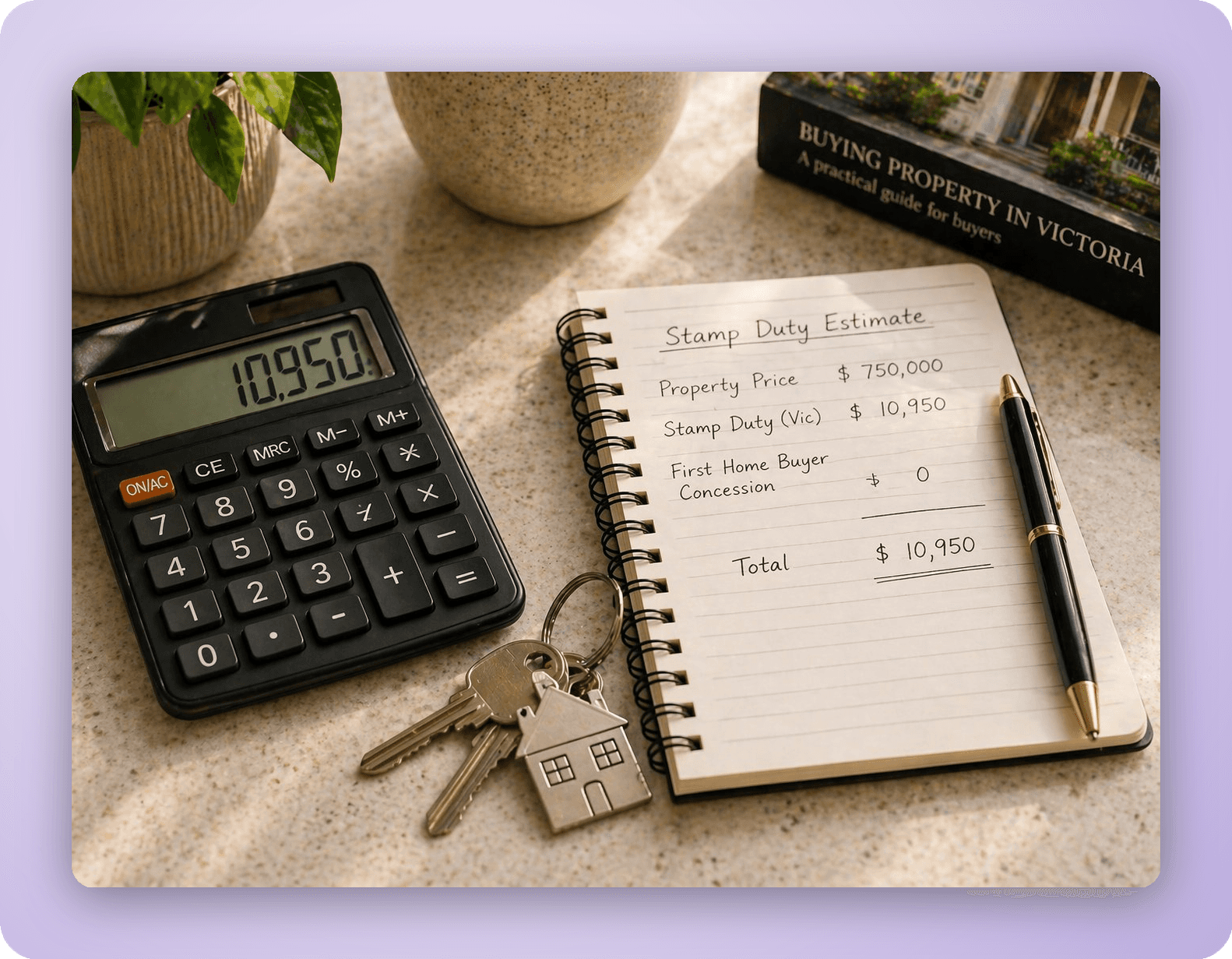
Stamp duty in Victoria: how to budget for your biggest hidden cost
Stamp duty can add tens of thousands to the cost of buying a home in Victoria. Here's how it's calculated, what concessions exist, and how to plan for it.

Pre-auction homework: legal checks to do before you bid
Buying at auction means no cooling off and no finance clause. Here's the legal homework every Victorian buyer should complete before raising their hand.
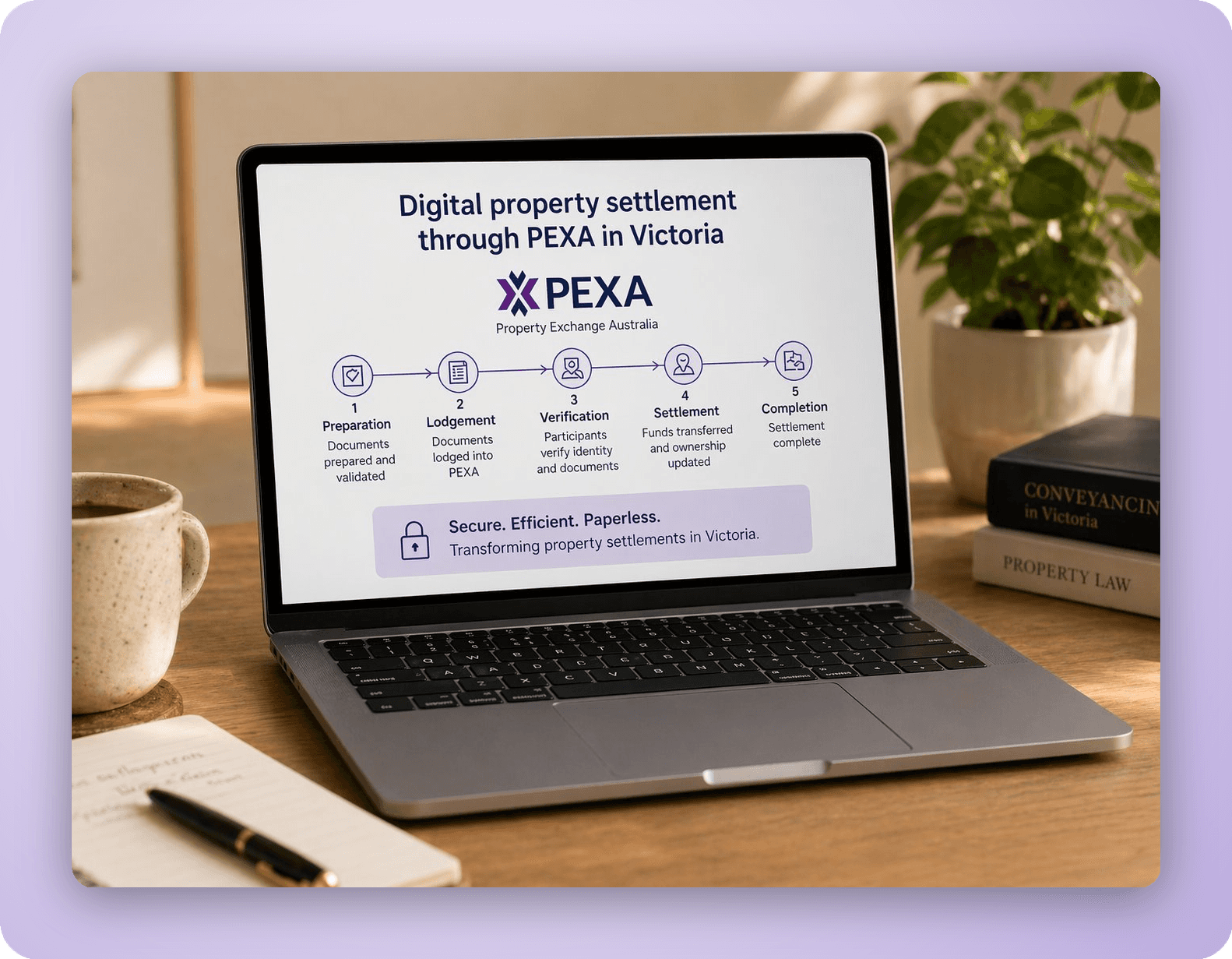
What is PEXA and how does electronic settlement work?
Settlement in Victoria happens online through PEXA. Here's what that means for you as a buyer or seller, and why it's actually a good thing.
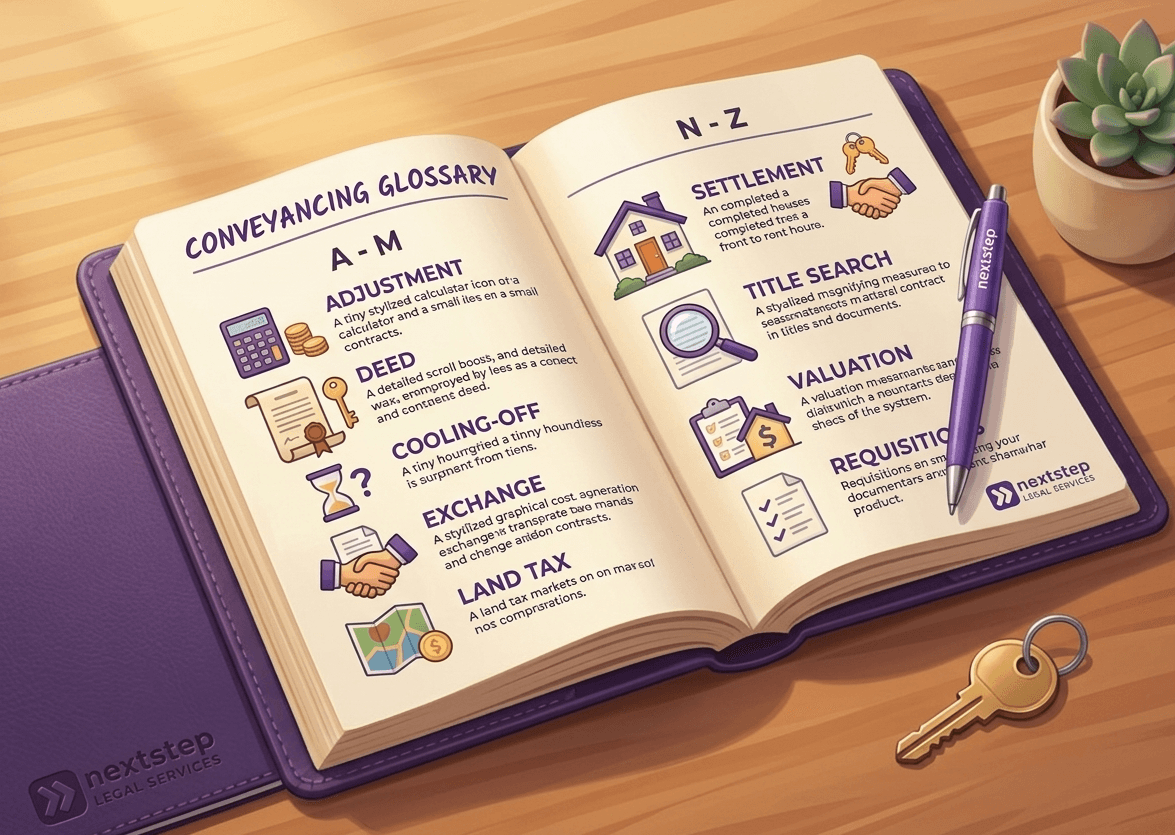
Conveyancing jargon decoded: a plain-English glossary
From Section 32s to caveats to PEXA, a no-nonsense glossary of the conveyancing terms you'll hear when buying or selling property in Victoria.

What to expect when you buy: a homebuyer's guide to the Section 32 (Vendor Statement)
Before you sign a contract to buy property in Victoria, you need to understand the Section 32 (Vendor Statement). Here's what's included, what we look for during a contract review, and why it matters.